
Marcus Hale · August 12, 2026
The Hidden Rituals of Morning Commutes
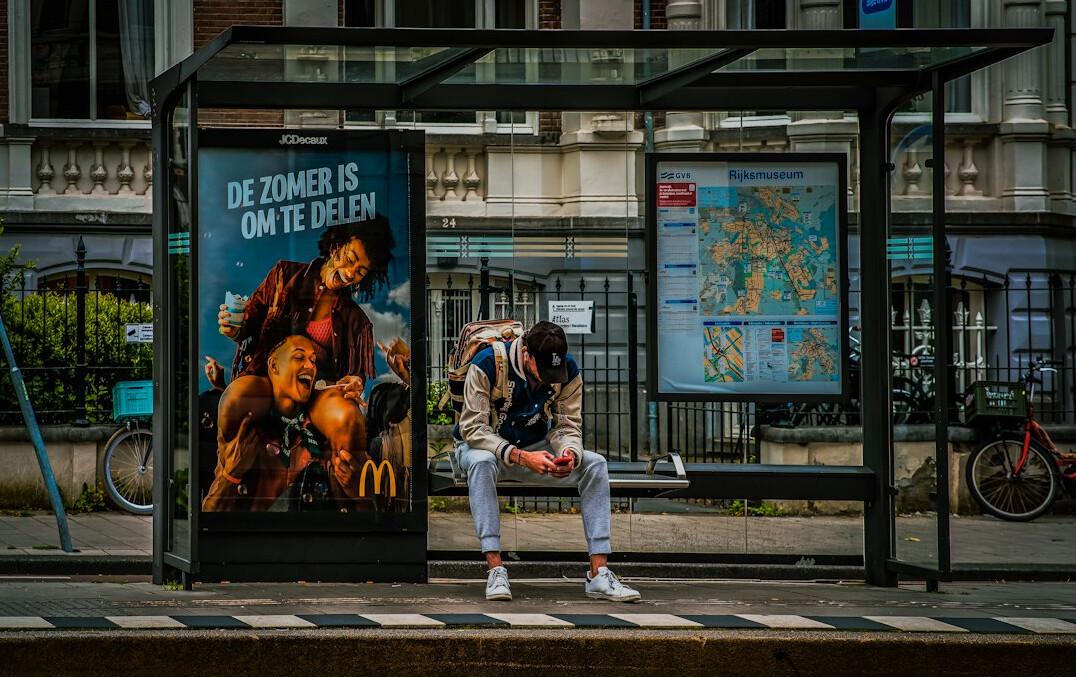
Morning light filters through the train windows as commuters settle into their routines with an almost choreographed precision. The way someone always chooses the same seat by the door or pauses to adjust their bag strap before stepping onto the platform reveals layers of unspoken habits that turn a simple trip into something more meaningful.
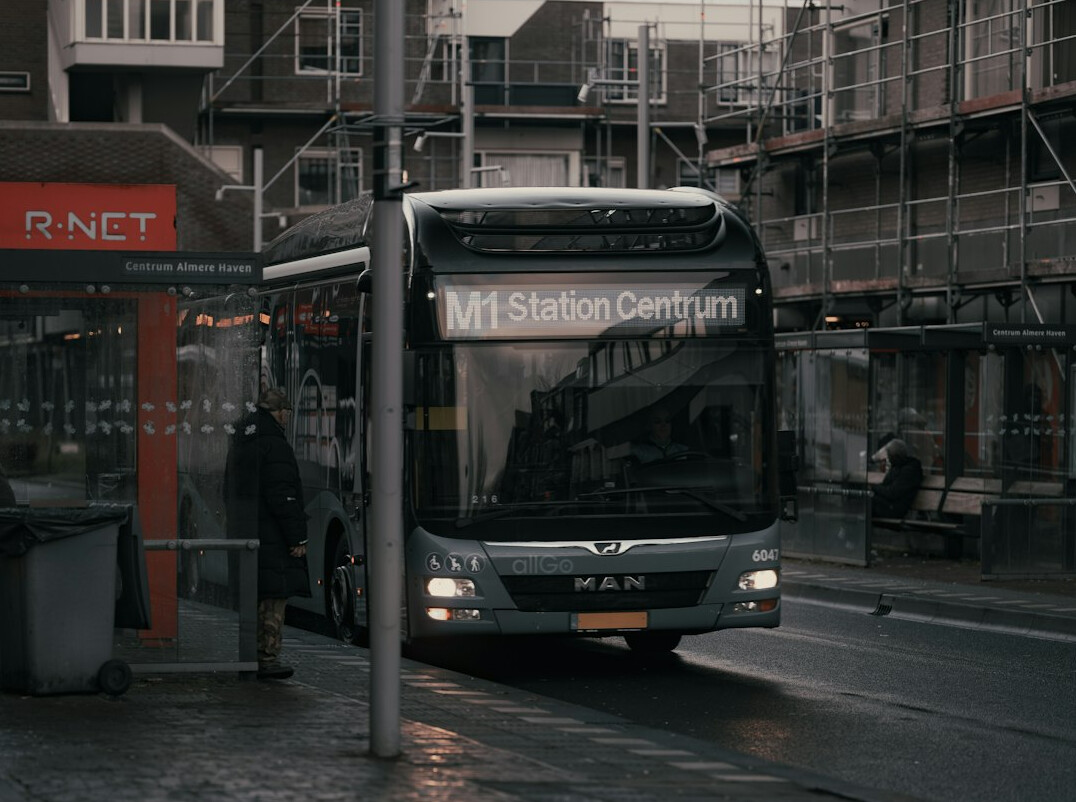
These patterns emerge naturally from the need to navigate crowded urban environments efficiently. At the corner cafe, regulars order the same espresso without speaking, their fingers tapping the counter in anticipation. The barista knows the rhythm, sliding the cup across just as the customer reaches for it, creating a brief moment of connection amid the rush.
The Subtle Choices in Transit
Choosing a path through the station involves more than avoiding delays. Many people favor the left side of the escalator even when empty, a holdover from years of following the flow. Others linger near the ticket machines, checking phones as if syncing with an internal clock before moving forward. These decisions shape how public spaces feel alive with quiet coordination.
Interactions at Service Points
Bus drivers greet familiar faces with a nod, while passengers adjust earbuds to signal they want minimal conversation. At newspaper stands, the same hands reach for the same edition each day, exchanging coins in a transaction that feels almost ceremonial. Such encounters highlight how everyday services become anchors in the morning landscape.

It's the little pauses that make the journey feel less mechanical and more like a shared experience.
Weather influences these rituals too. On rainy days, umbrellas create temporary barriers, forcing slight shifts in walking patterns around puddles. People linger longer under awnings, turning waiting into an opportunity to observe the street's pulse. The city responds with its own rhythms, from the hiss of brakes to the scent of fresh bread wafting from corner shops.
Building Community Through Repetition
Over time, these commutes foster a sense of belonging without words. A group might always stand together on the platform, exchanging brief smiles when the train arrives late. Children on their way to school add energy, their backpacks bumping as they navigate the adult flow with practiced ease. Such details transform public transit into a living network of human connections.
Even digital interactions play a role, as apps alert users to delays and prompt quick route changes that alter the physical path taken. Yet the core remains tactile: the grip on a handrail, the brush against a stranger's coat, the relief of finding an empty bench. These elements ground the experience in the tangible world of streets and stations.
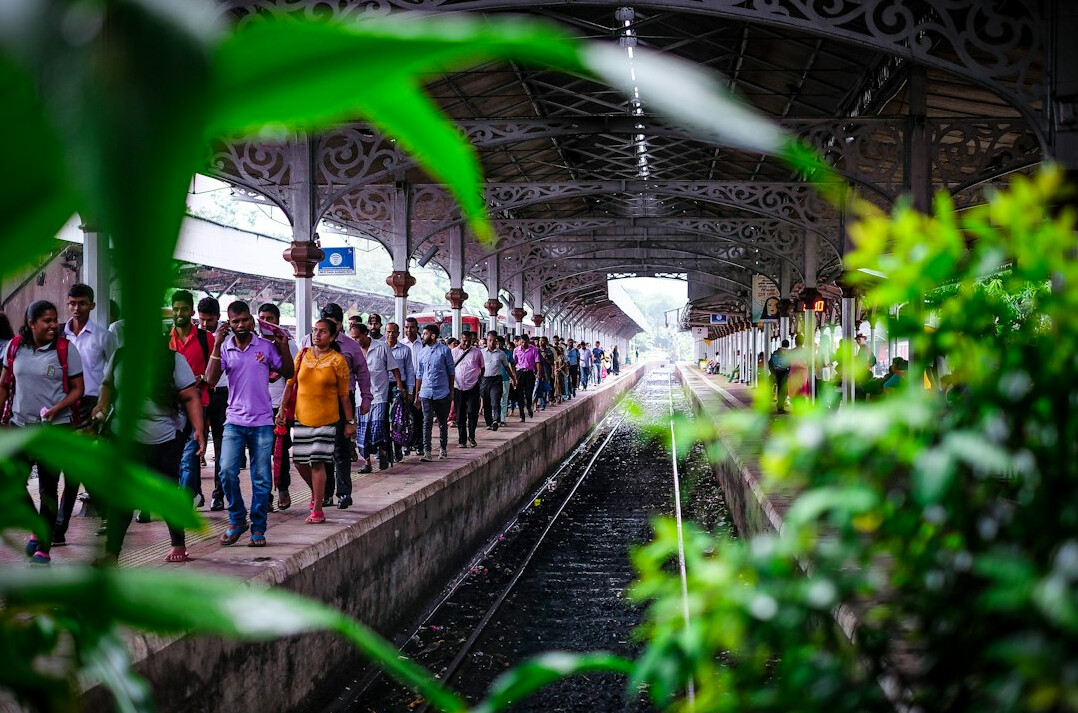
Reflecting on these hidden rituals shows how cities thrive on the accumulation of small acts. They turn anonymous spaces into places of quiet familiarity, where each morning offers a chance to repeat and refine the dance of movement and pause.
Looking Ahead in Urban Design
- Recognizing these patterns can guide better placement of benches and lighting.
- Services that align with commuter rhythms enhance daily satisfaction.
- Public spaces designed with repetition in mind encourage more fluid interactions.
Ultimately, the morning commute stands as a testament to how people adapt and connect within the urban fabric, turning necessity into a series of meaningful, repeatable moments.