Michael Reed · July 12, 2026
Sidewalk Etiquette That Keeps Cities Moving
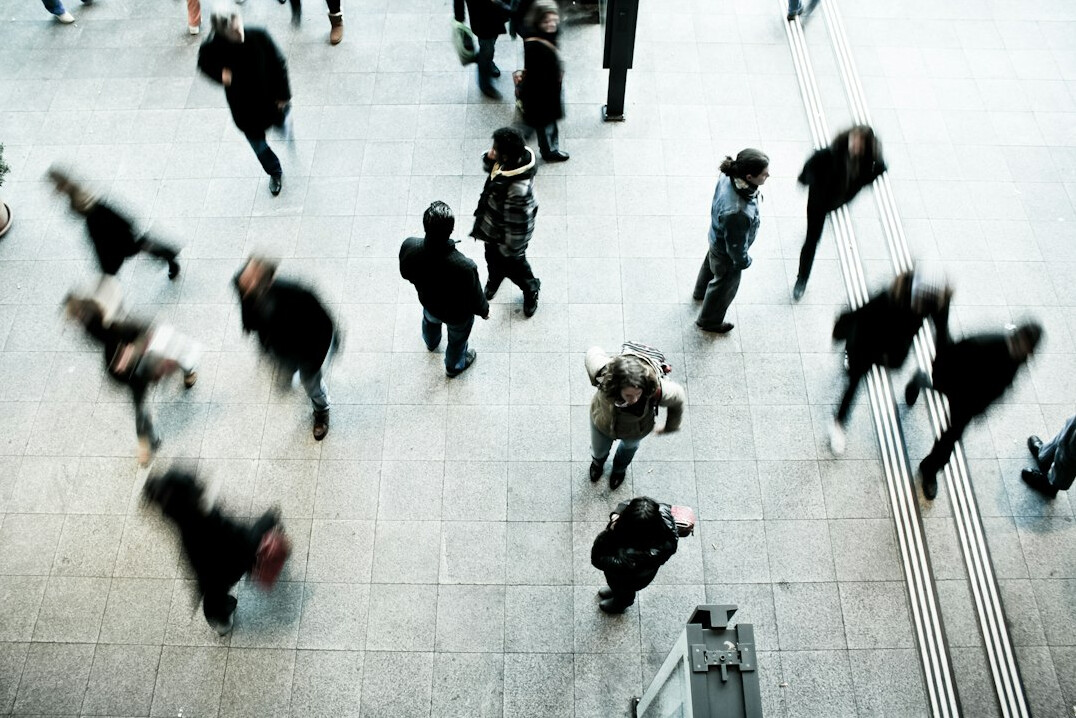
Walking through a bustling city can feel like navigating a complex dance, where each person moves with their own rhythm yet somehow avoids collision most of the time. Sidewalk etiquette is that invisible code keeping things flowing, from how we pass each other to where we pause for a quick chat. Without it, even a short stroll turns into frustration for commuters, families, and visitors alike.
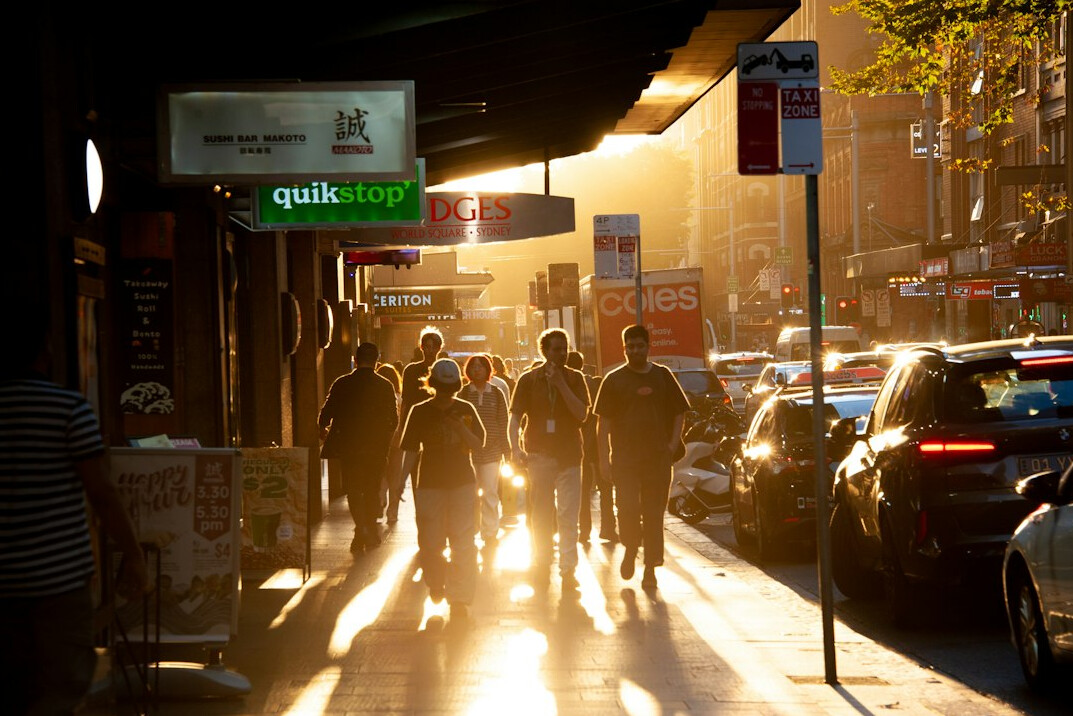
One basic rule involves keeping to the right in most places, much like driving on that side of the road. It creates a natural flow that reduces head-on encounters, especially during rush hours when foot traffic peaks. Tourists might not know this at first, but locals often lead by example, gently guiding the pace without words.
Handling Distractions on the Go
Phones pull attention away from surroundings, leading many to drift or stop suddenly. A considerate approach means stepping aside before checking messages or taking a call. This small habit prevents bottlenecks that build up behind distracted walkers, letting the stream continue uninterrupted.
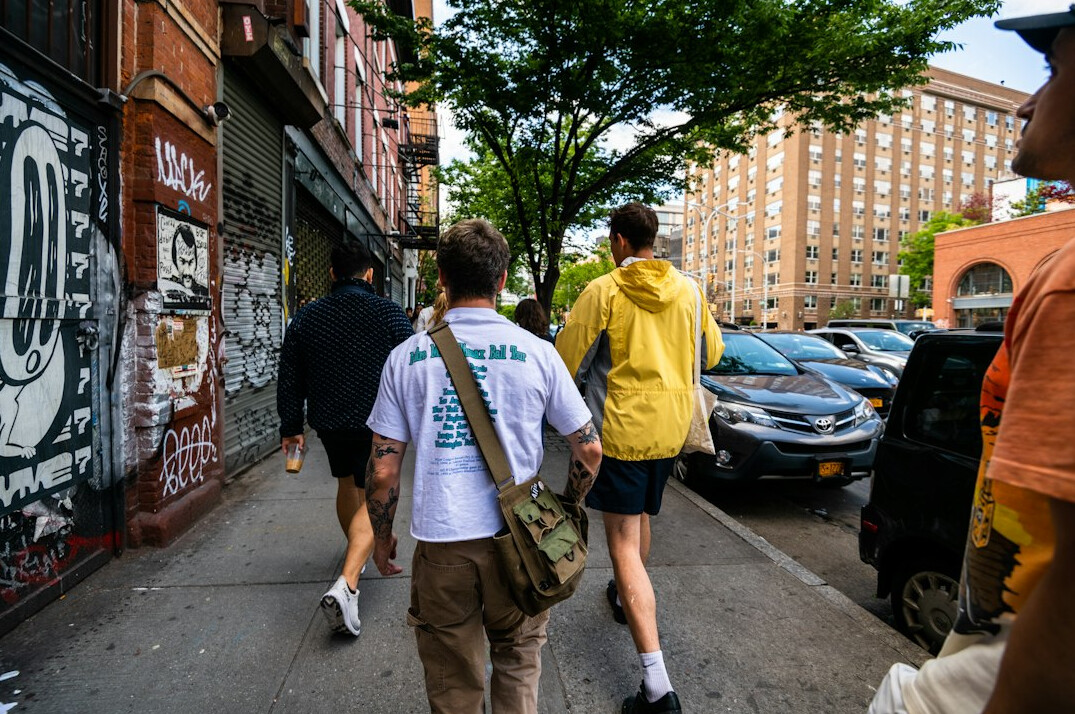
Groups walking together often spread across the full width, blocking faster movers. Yielding space by moving into single file when someone approaches from behind shows awareness. It turns a potential standoff into a smooth pass-by that everyone appreciates.
Pausing Without Blocking
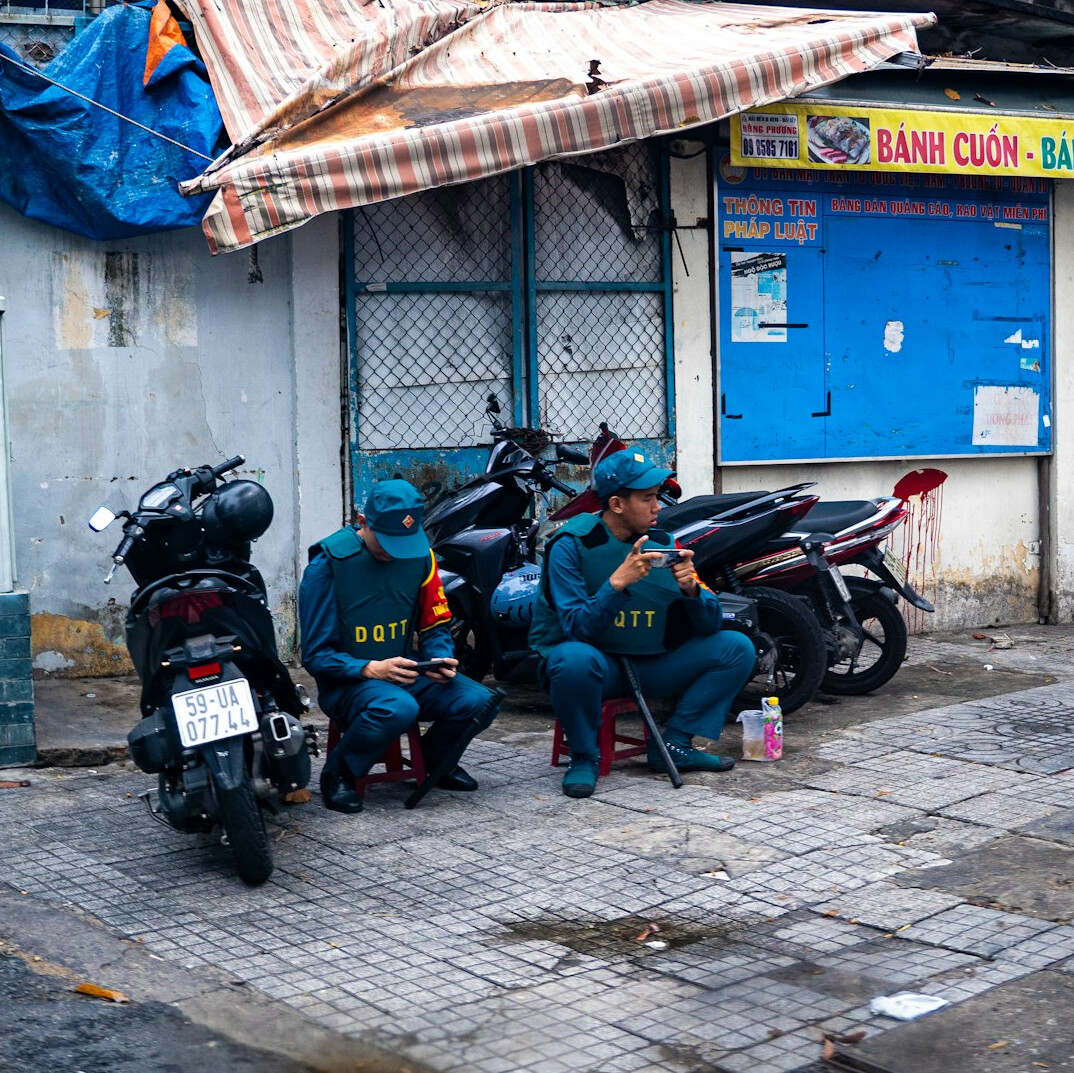
Stopping to tie a shoe or admire architecture works best near building edges or benches rather than in the middle of the path. This leaves the main walkway clear for those in transit. Benches and plazas exist for a reason, offering spots to rest without interrupting the flow.
Good etiquette on sidewalks reflects respect for shared space, turning daily commutes into less stressful experiences.
Parents with strollers or people using mobility aids benefit when others give extra room. Slowing down slightly or offering a nod acknowledges their presence without making a scene. Cities thrive when these small courtesies become second nature.
Seasonal and Cultural Twists
Weather changes bring new challenges, like slippery surfaces after rain or narrow paths cleared of snow. Adjusting speed and choosing drier routes helps maintain safety for all. In diverse neighborhoods, observing local customs around greetings or personal space adds another layer to smooth interactions.
Events or construction can narrow paths temporarily, requiring extra patience and single-file lines. Signaling intentions with a slight turn of the shoulder or eye contact often suffices to coordinate moves. Over time, these habits build a collective sense of how public spaces work best.
Ultimately, sidewalk etiquette boils down to observation and flexibility. Paying attention to the people around turns routine walks into cooperative efforts that keep entire neighborhoods humming along efficiently.