Marcus Hale · June 12, 2026
Public Benches and Unexpected Conversations
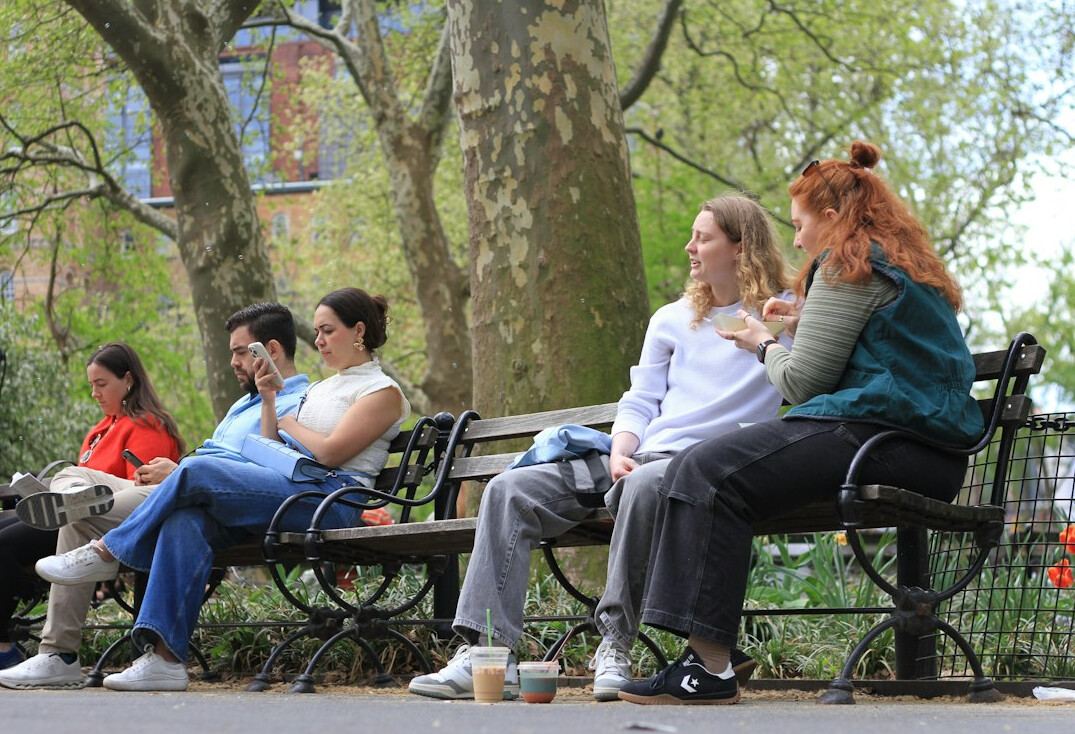
Public benches sit quietly along sidewalks and parks, often overlooked until someone pauses to rest. In the rhythm of city life, these plain seats become stages for chance encounters that linger in memory long after the moment passes.
The Everyday Stage of a Bench
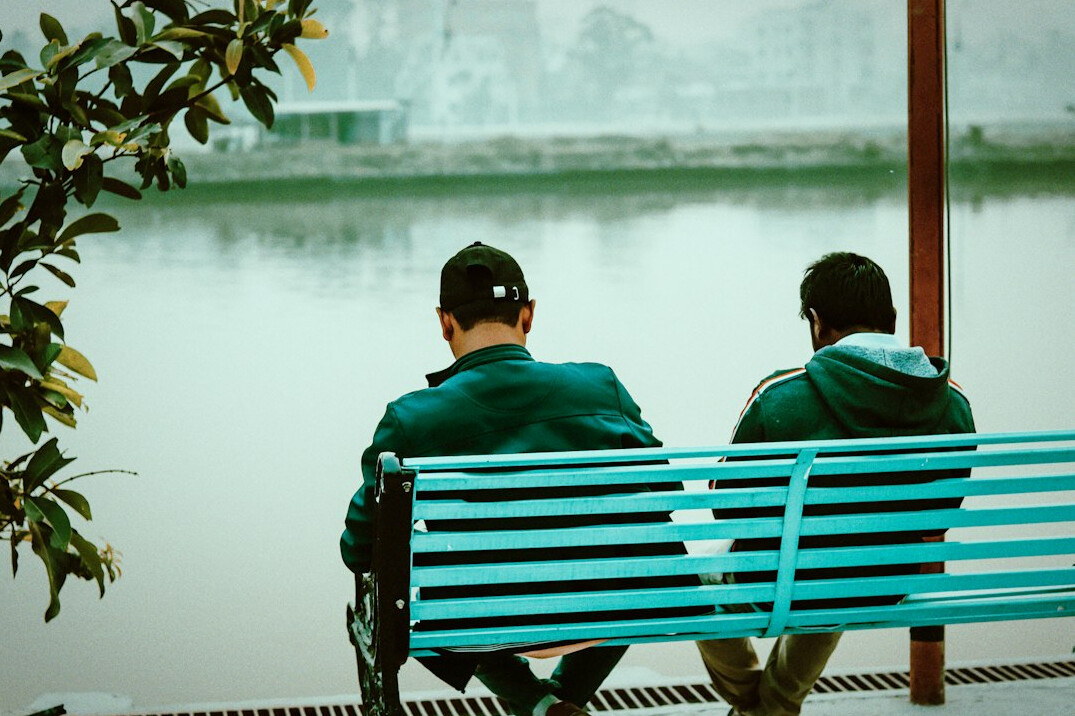
Walk through any neighborhood and you will spot them. Wooden slats or metal frames, sometimes worn smooth by years of use. A bench does not demand attention like a cafe table or a bus stop shelter. It simply offers a place to sit. Yet that simplicity invites openness. People lower their guard when they settle down, perhaps checking their phone or watching passersby.
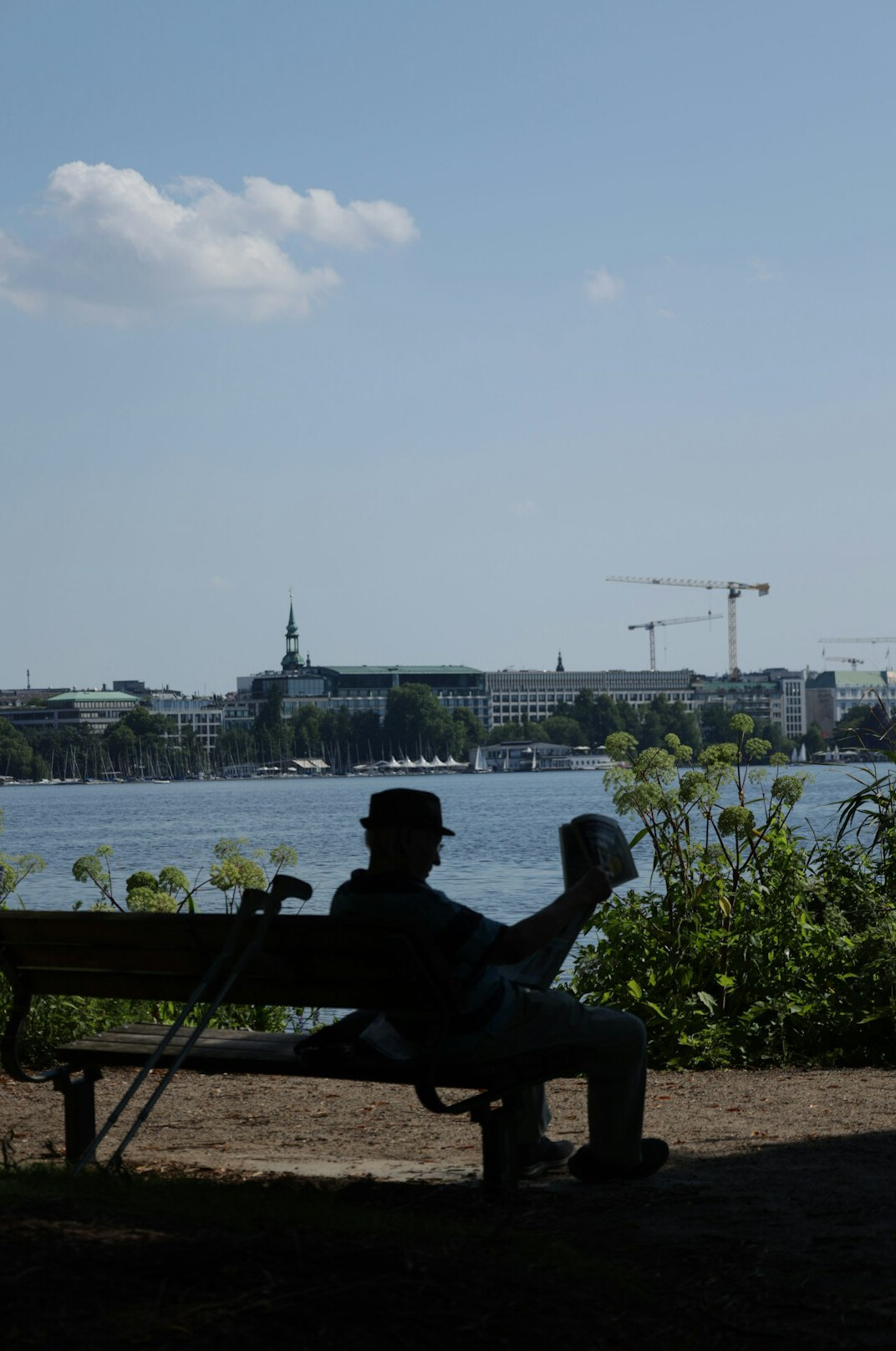
One afternoon I watched an older woman unfold a newspaper on a bench near the riverfront. A young man with a guitar case joined her minutes later. They began talking about chord progressions and favorite songs from decades past. Neither planned the exchange, but both left smiling.
Stories That Unfold Unexpectedly
Conversations on benches rarely follow a script. A parent might strike up talk with a stranger while their child feeds pigeons nearby. Two commuters delayed by traffic could share frustrations and then swap recommendations for quiet lunch spots. These talks often circle around small topics at first, weather or the latest street festival, before drifting into personal territory.
- Shared memories of local landmarks that have changed over time
- Advice on navigating city services or finding hidden green spaces
- Lighthearted debates over the best food trucks in the area
Such moments highlight how public seating encourages connection without pressure. No reservation is needed, and leaving feels natural whenever the conversation winds down.
When Silence Turns Into Dialogue
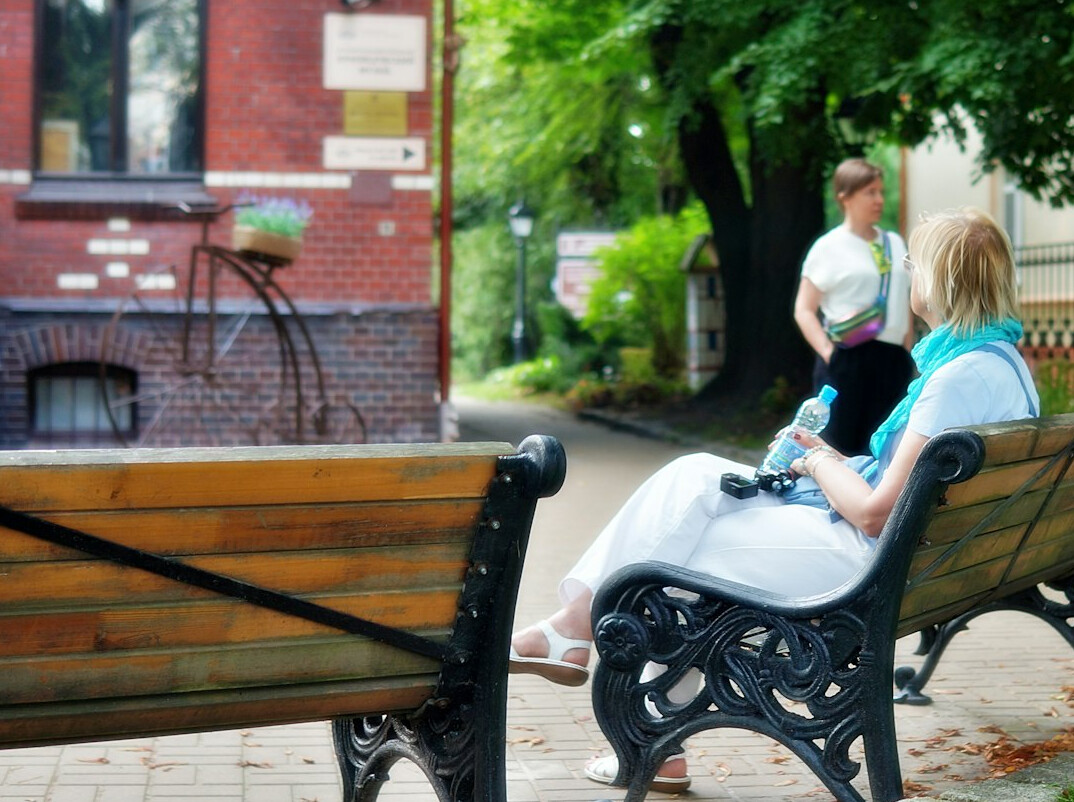
Not every bench encounter starts with words. Sometimes a shared glance at a passing parade or a sudden rain shower breaks the ice. A person might offer a spare umbrella or comment on the sudden downpour. From there the talk can move to work routines or weekend plans.
One regular bench sitter told me he meets more new people in a month on his favorite seat than he does at any organized event.
These interactions remind us that public spaces hold quiet power. They turn strangers into temporary companions and give the city a human texture that screens and schedules cannot replicate.
Designing for More Encounters
City planners increasingly recognize the value of well-placed benches. Clusters of seating near markets or transit hubs increase the odds of overlapping conversations. Adding shade or nearby planters creates reasons to linger rather than hurry past.
Yet the magic often comes from the people themselves. A bench stays neutral ground, free of the expectations tied to private venues. Anyone can join or depart without explanation.
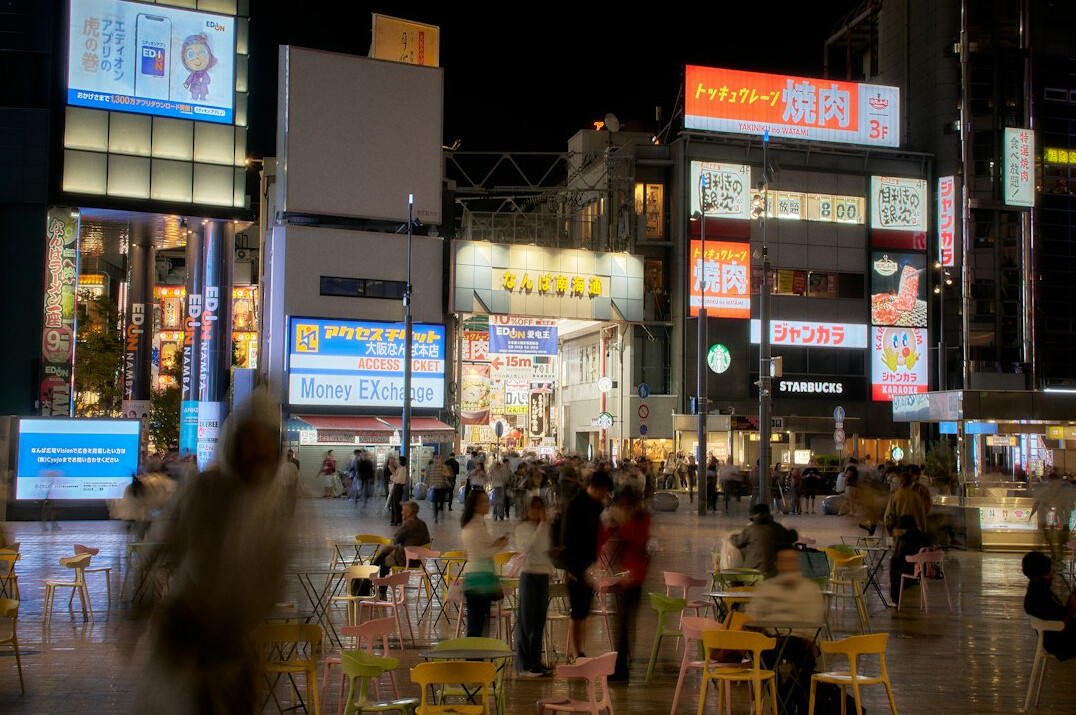
Over time these small exchanges build a sense of belonging. A newcomer learns about neighborhood events from a longtime resident. A student gains insight into local history from someone who watched the area evolve. Each story adds a layer to the shared experience of the city.
Carrying the Moment Forward
After leaving a bench conversation, the details often stay with you. You might notice similar seating elsewhere and wonder what talks are unfolding right then. Or you could find yourself returning to the same spot, half hoping to cross paths again with the person you met.
Public benches prove that meaningful connection does not require elaborate settings. A simple seat placed in the flow of daily life can open doors to stories that would otherwise remain untold. In a world of hurried commutes and digital screens, those unexpected conversations offer a gentle reminder of the people sharing the same streets and parks.