
Elena Vargas · July 22, 2026
How Markets Turn Shopping Into Social Events
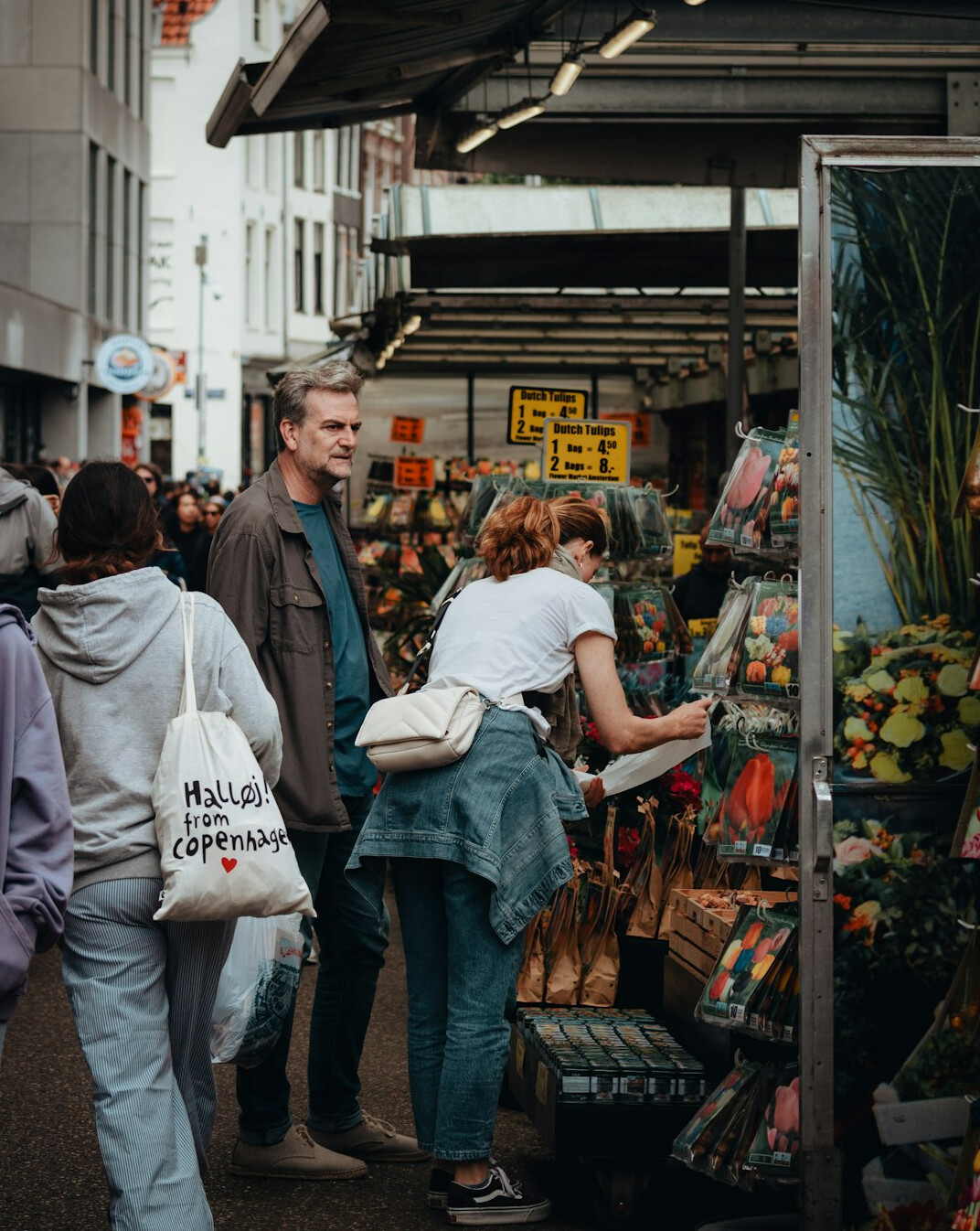
Walking through a bustling city market on a Saturday morning feels less like a chore and more like joining a neighborhood gathering. People linger over fresh produce, chatting with vendors they've known for years, while kids tug at sleeves asking for samples. These spots turn everyday errands into something much richer, weaving social threads through what might otherwise be a quick stop for groceries.
The Pull of Familiar Faces
Markets stand out because they mix necessity with human connection. Shoppers don't just grab items and leave. They pause to ask about a farmer's latest harvest or swap stories about local events. This rhythm creates a sense of belonging that big stores rarely match. Over time, regular visitors recognize each other, turning strangers into acquaintances through repeated encounters at the same stalls.
From Transactions to Conversations
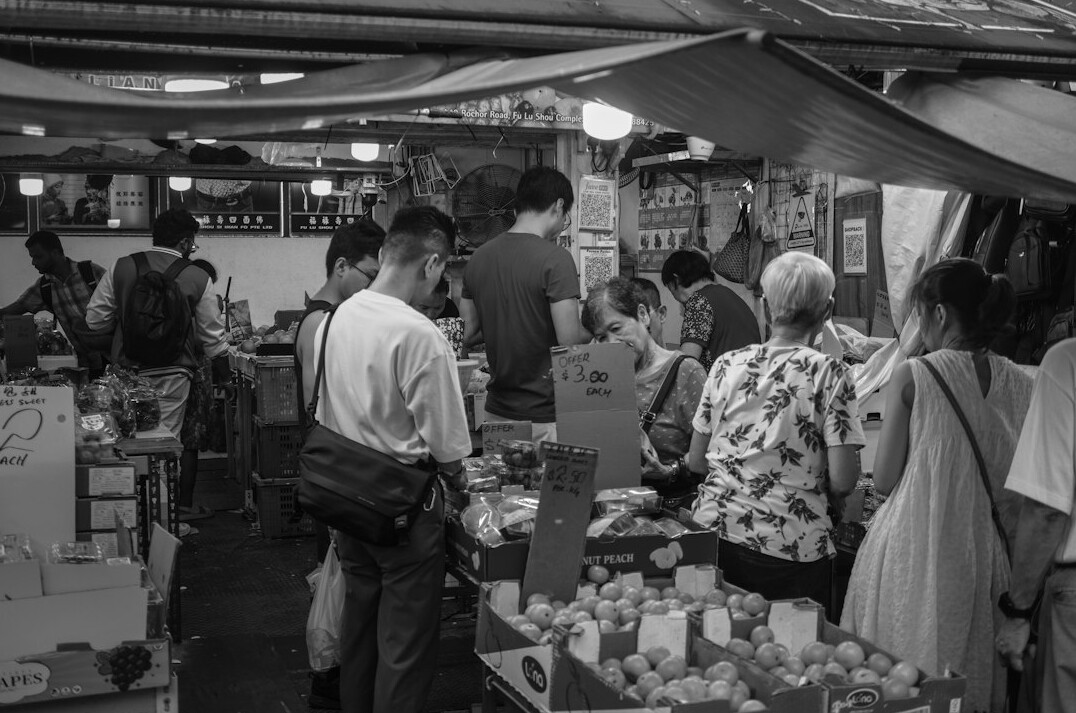
Vendors often become storytellers, sharing tips on cooking seasonal items or explaining where their goods come from. A quick purchase of bread might stretch into a longer chat about family recipes passed down through generations. These exchanges add layers to the shopping experience, making it feel personal rather than purely commercial. In many cities, this casual interaction builds trust and loyalty that keeps people coming back week after week.
Spaces That Encourage Lingering
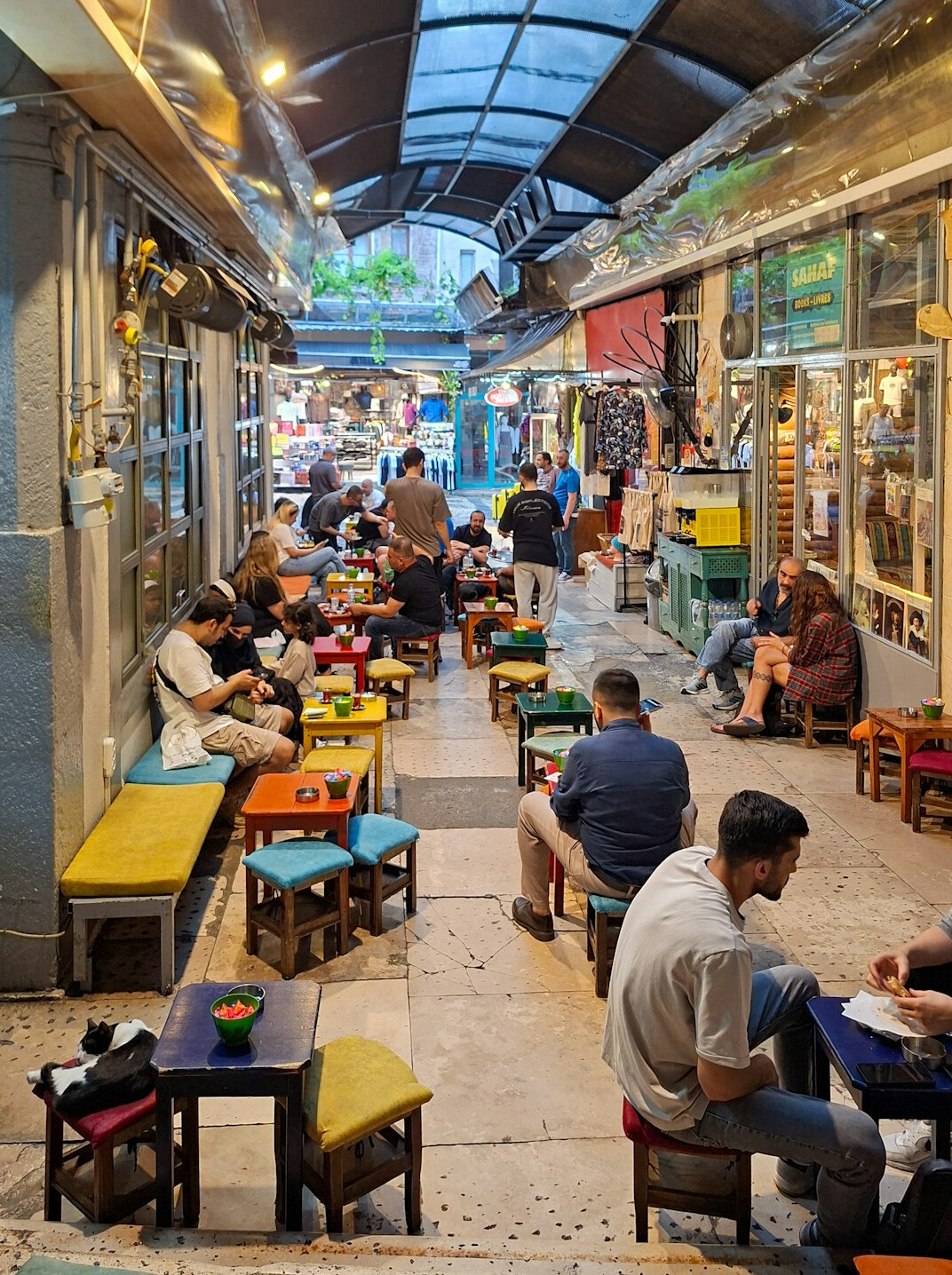
Good markets design their layouts to invite people to stay awhile. Wide aisles allow groups to move together, while small seating areas pop up near food vendors. Children play nearby as parents catch up, and the overall energy feels inclusive. This setup turns the market into a public living room of sorts, where different generations mix naturally without any formal invitation.
Seasonal Events That Draw Crowds
Many markets host pop-up activities that amplify the social side. Live music from local bands, cooking demos, or even simple tasting sessions pull in folks who might not have planned to shop. These additions transform a standard market day into something closer to a festival. Attendees often arrive early to secure a good spot, extending their visit and deepening interactions with both sellers and other visitors.
Over months and years, these patterns strengthen community ties. New residents find their footing faster by becoming regulars, while long-time locals pass on neighborhood knowledge through casual talks. The market becomes a reliable anchor point amid the fast pace of urban life.
Why These Gatherings Matter Today
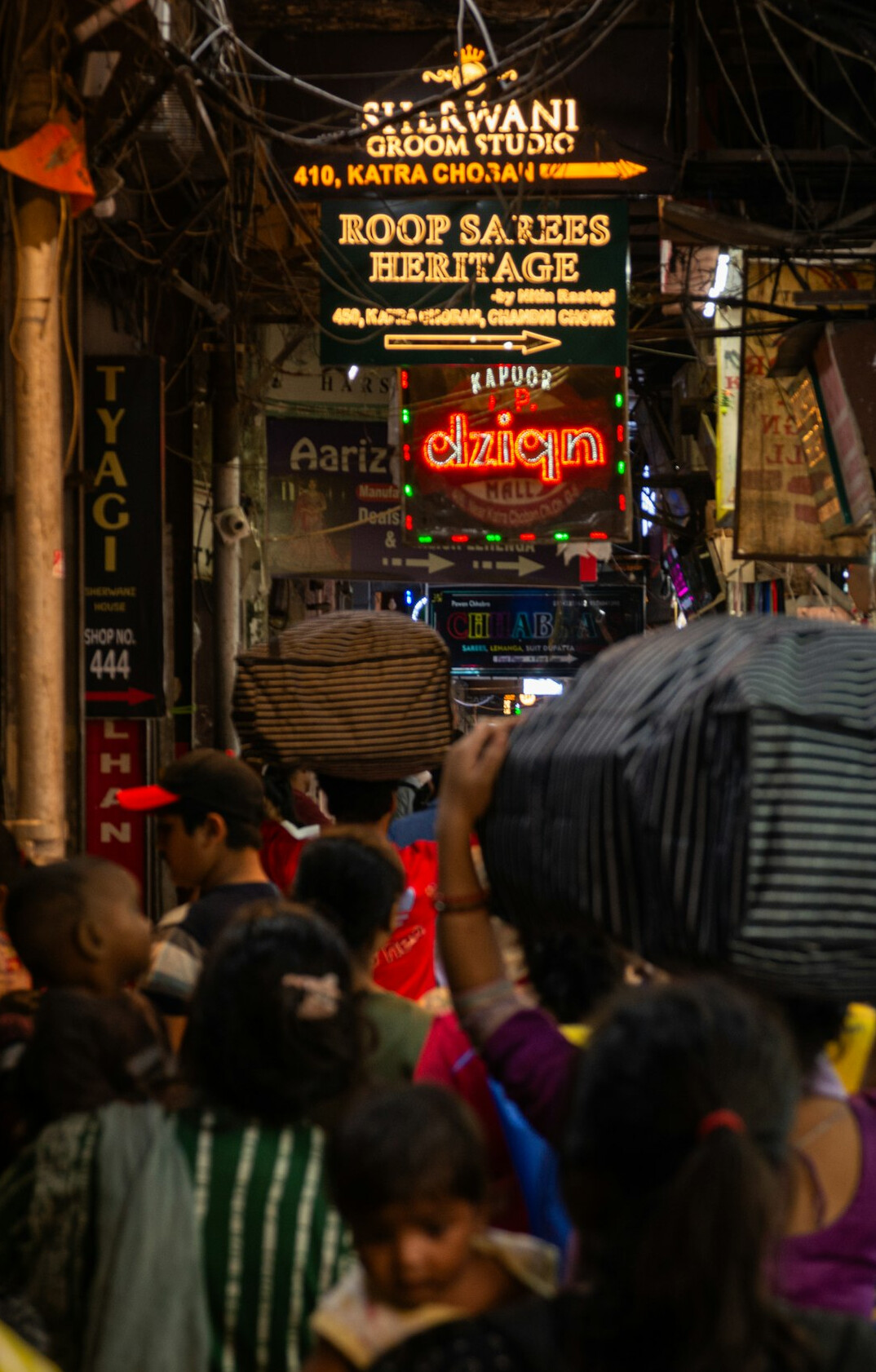
In an era of online orders and quick deliveries, physical markets offer something screens cannot replicate. They provide face-to-face moments that combat isolation, especially in dense cities. Shoppers leave not only with bags of goods but also with renewed senses of connection. This blend of commerce and community keeps markets thriving as essential parts of city life, adapting while staying rooted in simple human needs.