Liam Harper · July 10, 2026
Exploring the Pulse of Everyday Urban Spaces
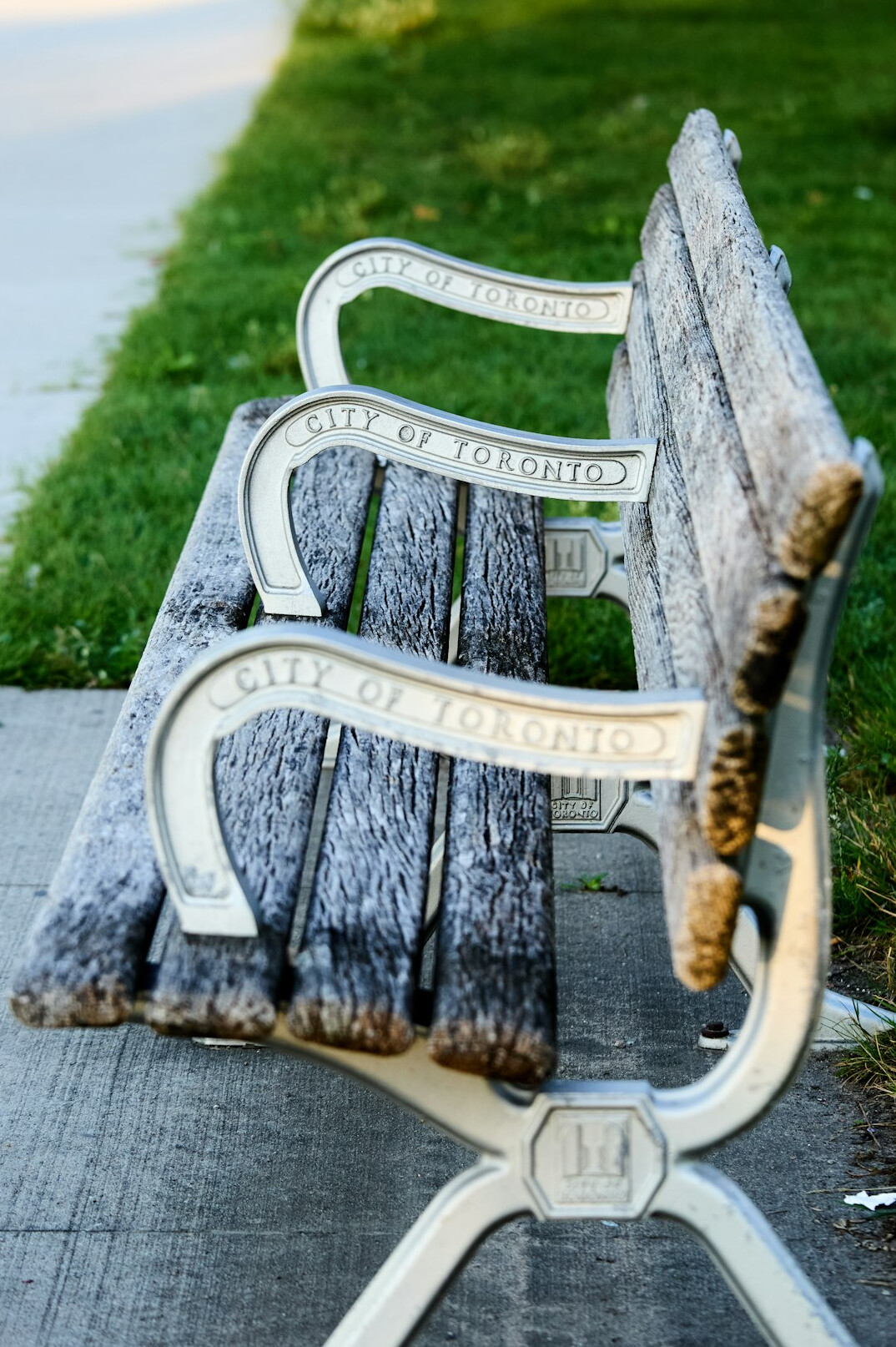
Walking through the city each morning, you notice the small rituals that define how people move and connect with their surroundings. From the way commuters pause at a street corner to check their phones while waiting for the light to change, to the quiet conversations happening on park benches, these moments paint a picture of urban life that often goes unnoticed.
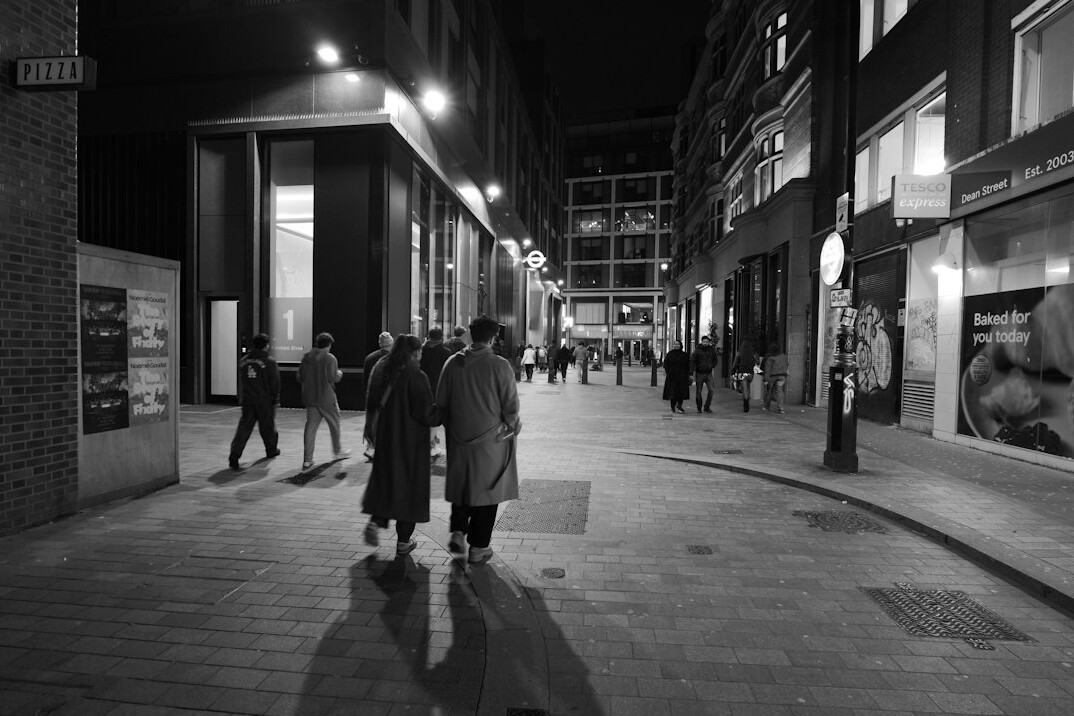
Public spaces serve as the backbone of any metropolis, yet their true value emerges in how individuals use them. Take a typical neighborhood cafe, for instance. Regulars arrive at the same time each day, ordering their usual brew while exchanging nods with the barista. These interactions build a sense of community without anyone realizing it. Meanwhile, delivery workers weave through traffic, dropping off packages at doorsteps and chatting briefly with residents about the weather.
The Role of Transit Hubs
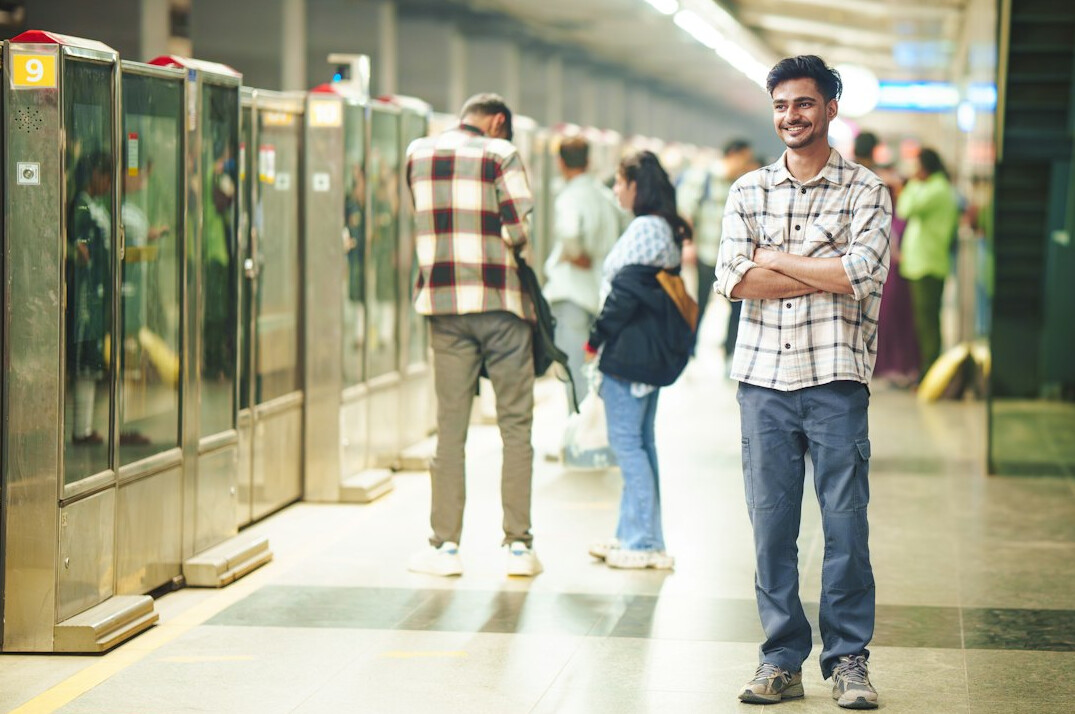
Transit stations offer another window into these dynamics. People hurry past ticket machines, some juggling coffee cups and bags, while others linger near maps planning their routes. A mother helps her child scan a card, and nearby a group of students laughs over a shared joke. These hubs pulse with energy, reflecting the city's diversity in motion.
Markets and Street Vendors
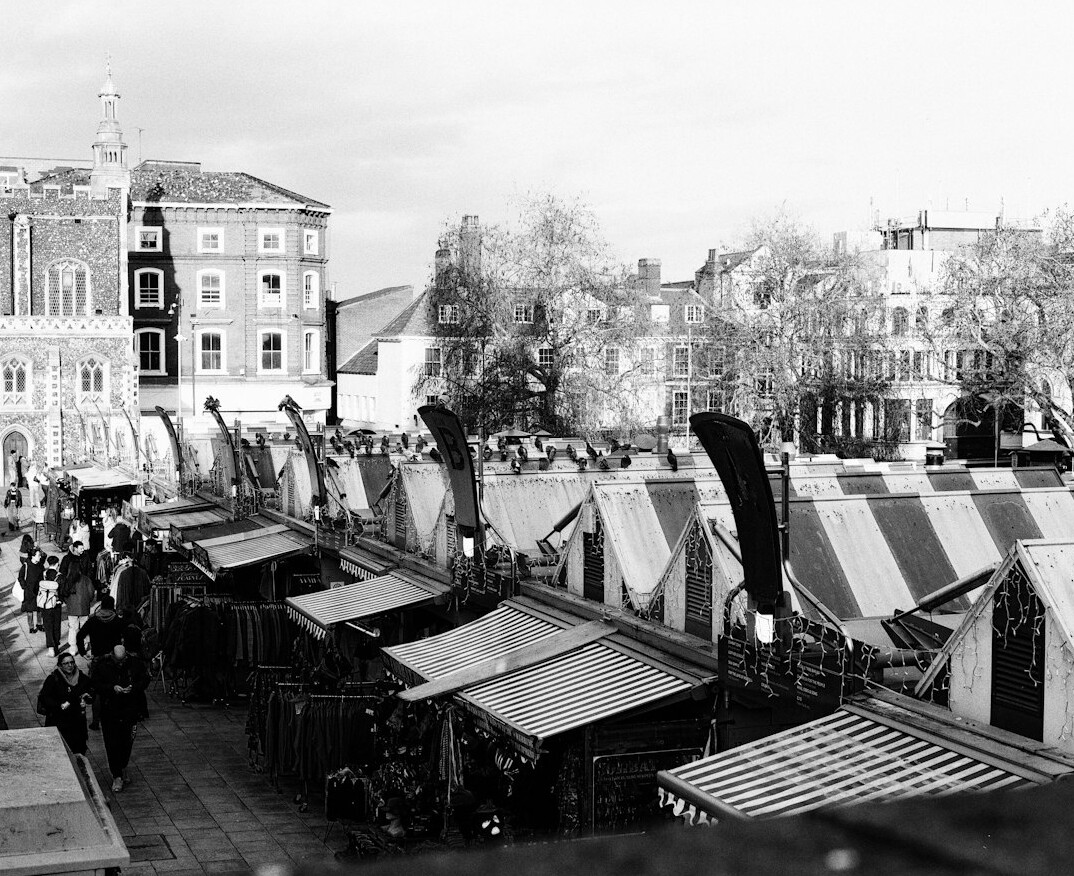
Street markets add layers of texture to everyday routines. Vendors call out specials as shoppers browse fresh produce, negotiating prices with friendly banter. Children tug at parents' sleeves, drawn to colorful displays. Here, services like mobile payment apps blend seamlessly with traditional cash transactions, showing how technology integrates into age-old practices.
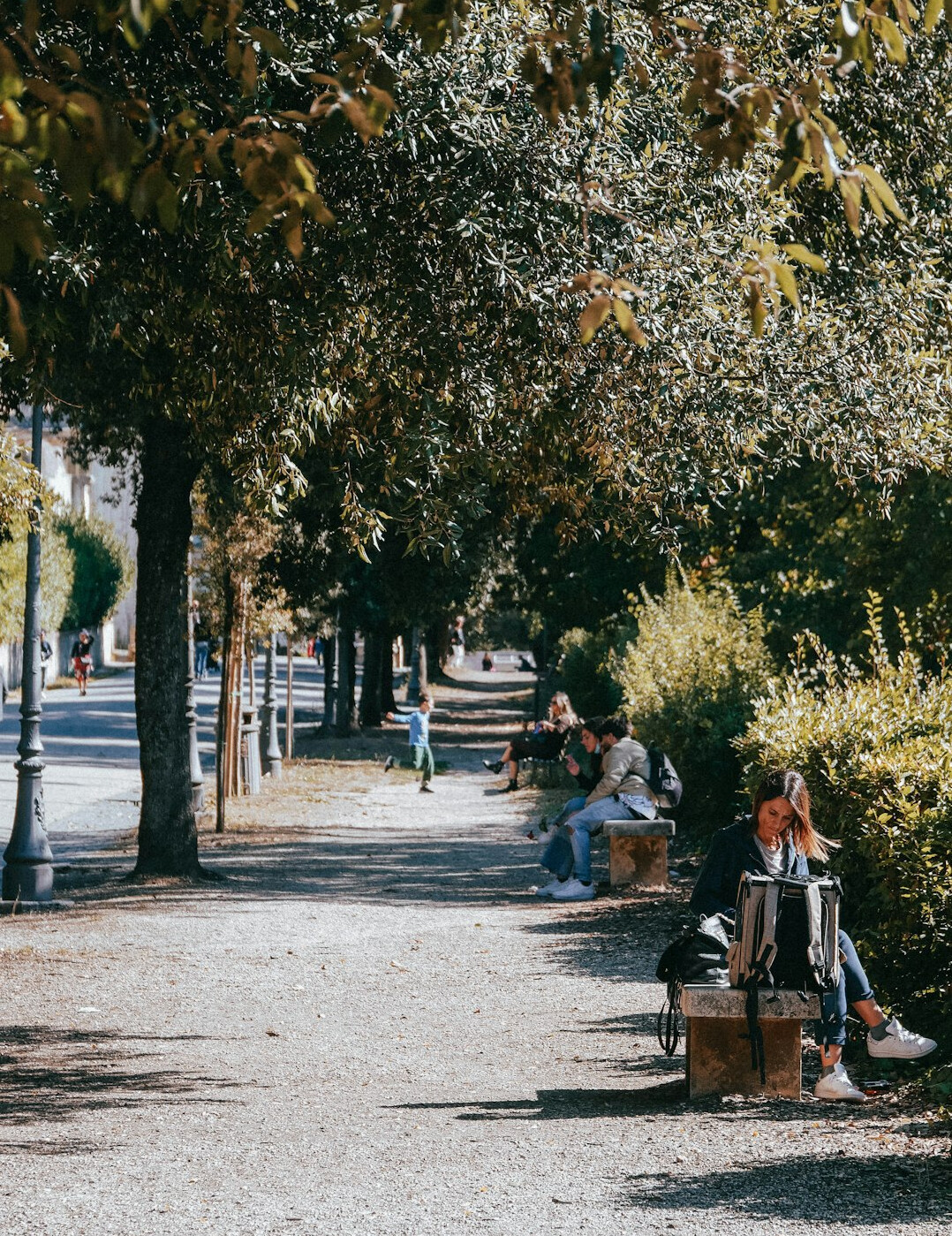
Even simple acts like sitting in a plaza reveal deeper patterns. Office workers eat lunch on the steps, tourists snap photos of fountains, and locals read newspapers under trees. These shared areas foster unexpected connections, from brief smiles between strangers to longer discussions sparked by a lost item.
Services That Shape Interactions
Everyday services enhance these experiences too. Library branches host story times that draw families together, while community centers offer classes where neighbors learn new skills side by side. The flow of people through these spots creates a web of dependencies and supports that keep the city alive.
Yet challenges arise when spaces feel overcrowded or services lag. A delayed bus can turn a smooth commute into a frustrating wait, prompting people to seek alternatives like walking or cycling. Such shifts highlight adaptability in urban dwellers.
Looking Ahead in City Living
Observing these interactions reminds us that cities thrive on human connections. By paying attention to how places and services intersect with daily life, we gain a richer understanding of what makes urban environments vibrant and resilient.